Roof Soft Washing
Roofing That Stops Feeding Organic Growth
Roof Soft Washing in Jacksonville for black algae streaks and moss accumulation
Black streaks run down the north-facing slope of your roof, starting from the ridge and spreading wider each season. These aren't just cosmetic issues—they represent colonies of Gloeocapsa magma algae that feed on the limestone filler in asphalt shingles and accelerate granule loss. Affordable Gutters Jacksonville provides roof soft washing that eliminates this biological growth without the high-pressure water application that can damage shingle integrity or void manufacturer warranties. The service covers residential properties in Jacksonville where humidity and shade create ideal conditions for algae proliferation.
Roof soft washing applies a biocide solution that kills algae, moss, and lichen at the cellular level rather than simply washing visible growth off the surface. The treatment soaks into root structures embedded in shingle texture and continues working for weeks after application, which means regrowth takes far longer to reappear compared to pressure washing alone. North Florida's extended growing season means roofs remain vulnerable to colonization year-round rather than experiencing winter die-back that occurs in colder climates.
Schedule a roof inspection to evaluate current algae coverage and determine whether soft washing or replacement is the appropriate solution.
Why Proper Cleaning Works for Shingle Preservation
The process starts with applying a specialized cleaning solution to all roof surfaces, allowing the biocide to penetrate shingle layers and kill embedded organisms. The solution remains on the roof for a controlled period before a low-pressure rinse removes dead organic material and residue. Unlike pressure washing that can strip protective granules or force water under shingle edges, soft washing relies on chemical action rather than mechanical force to break down contaminants.
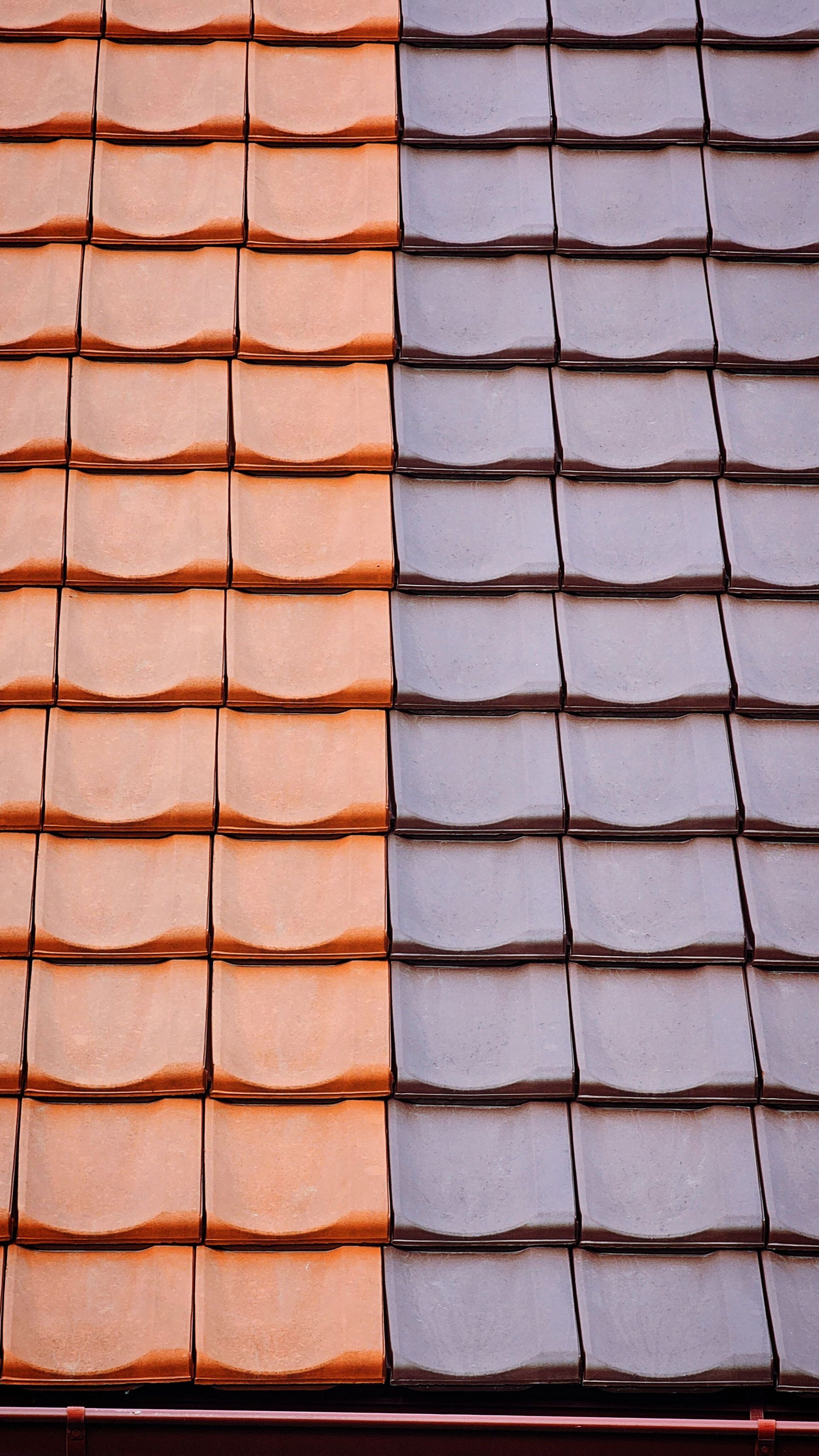
After treatment, you'll notice that dark streaking fades significantly within days as dead algae dries and weathers away, and the roof returns to its original color rather than displaying the mottled black appearance that develops from unchecked growth. Shingles no longer retain as much moisture because the absorbent algae colonies are gone, which means the roof dries faster after rain events and experiences less thermal stress from trapped heat. The difference becomes especially apparent when comparing treated sections to untreated areas on neighboring homes.
The service includes treatment of all accessible roof planes, ridges, and valleys, but does not address gutter cleaning, flashing repairs, or shingle replacement. Roofs with significant granule loss, curling shingles, or existing leak damage may need repair work before cleaning to avoid exacerbating structural problems during the treatment process.
Answers to Frequent Service Questions
Roof cleaning generates concerns about safety, effectiveness, and potential damage to roofing materials. Understanding what soft washing involves helps property owners make informed decisions about maintenance timing.
- What causes the black streaks on Jacksonville roofs? The discoloration comes from Gloeocapsa magma, a type of cyanobacteria that forms protective dark colonies on shingle surfaces. This organism feeds on the limestone and organic materials in asphalt shingles and spreads through airborne spores, which is why entire neighborhoods often show similar staining patterns.
- How does soft washing differ from pressure washing for roofs? Soft washing uses chemical treatments at low pressure to kill organisms, while pressure washing relies on high-force water that can dislodge granules, break sealant bonds between shingle tabs, and force water into roof decking. Most shingle manufacturers explicitly prohibit pressure washing because it voids product warranties.
- Will the cleaning solution harm landscaping or gutters? The biocide solution gets diluted before application and breaks down rapidly when exposed to soil microbes. Plants surrounding the roofline receive pre-wetting to minimize absorption, and gutters are flushed after treatment to prevent residue accumulation. Established shrubs and trees tolerate the brief exposure without damage.
- How long do results last before algae returns? Treated roofs in Jacksonville typically remain clean for two to four years depending on shade coverage and proximity to moisture sources. Homes with heavy tree canopy or poor attic ventilation may see regrowth sooner, while properties with full sun exposure and good airflow often exceed four-year intervals between treatments.
- Can soft washing restore a roof that looks ready for replacement? If the shingles still have adequate granule coverage and maintain structural integrity, soft washing can restore appearance dramatically and extend roof life by several years. However, roofs with widespread granule loss, brittle shingles, or active leaks are typically past the point where cleaning provides meaningful value, and replacement becomes the more cost-effective option.
Affordable Gutters Jacksonville conducts thorough roof assessments before recommending cleaning or replacement, identifying areas where treatment will be effective versus sections that need repair. Contact the company to schedule an evaluation and receive a comprehensive condition report with maintenance recommendations.